

Product profile
Editorially ResearchedSalesforce Einstein
Salesforce's AI layer for CRM predictions, automation, and agentic assistance across the Customer 360.
Salesforce Einstein
Fit
Quick verdict
Best for
Enterprises standardized on Salesforce that need agentic AI inside their CRM architecture with admin controls, Data 360 grounding, and ecosystem depth.
Not ideal for
Small teams without Salesforce, or buyers seeking a lightweight consumer-style AI assistant without CRM platform overhead.
Primary strength
Deep enterprise CRM integration across Salesforce Customer 360 with Data 360 grounding, mature admin/security tooling, and a rapidly expanding agent ecosystem.
Primary limitation
Complexity, layered licensing, and implementation overhead. Value depends heavily on Salesforce adoption quality, data readiness, and org change management.
Profile
Overview
Salesforce Einstein and Agentforce are the AI capabilities inside Salesforce, spanning predictive CRM intelligence, generative drafting, and autonomous AI agents that help enterprise teams work across sales, service, marketing, commerce, and data clouds.
What sets it apartEnterprise CRM AI embedded across Salesforce Customer 360 rather than sold primarily as a standalone consumer assistant.
Quick Verdict
Salesforce Einstein and Agentforce are no longer just AI features bolted onto a CRM. They are the CRM. As of July 2026, Salesforce’s agentic AI business has crossed meaningful milestones: $1.2 billion in Agentforce ARR (up 205% year over year), 3.8 billion Agentic Work Units delivered, 28.6 trillion tokens processed, and over 18,000 companies running on the platform.
If your business already runs on Salesforce, Agentforce is the most credible path to autonomous AI agents in 2026. If you don’t, the calculus is harder. Microsoft 365 Copilot, HubSpot Breeze, and ServiceNow Now Assist all have real momentum, simpler pricing, and in some cases better fit for non-Salesforce shops.
Here’s the short version:
- Buy it if you’re a Salesforce enterprise with clean data and a real change-management plan. The new Flex Credits pricing and free Foundations tier make it cheaper to pilot than at any point in Salesforce’s history.
- Test it on a single use case (service deflection, SDR outreach, employee support) before committing to Agentforce 1 Editions.
- Skip it if you want a casual consumer chatbot or if your CRM isn’t Salesforce.
What Salesforce Einstein and Agentforce Are in 2026
Einstein is the umbrella name for every AI capability Salesforce has shipped since 2016. It started with predictive lead scoring, expanded to generative drafting in 2023, and now powers everything from a free record summarizer to autonomous multi-agent workflows.
Agentforce is Salesforce’s agentic AI platform. It plans, reasons, and executes multi-step tasks across the Customer 360. In Salesforce’s own words, “Agentforce agents operate autonomously by retrieving the right data on demand, building action plans for any task, and executing these plans without needing human intervention.”
In practice, you encounter them as three flavors:
- Predictive AI — lead and opportunity scoring, forecasting, churn signals. Still doing the heavy lifting for sales ops.
- Generative AI — email drafts, call summaries, record summaries, Slackbot replies. Built on Prompt Builder and grounded in your data.
- Agentic AI — autonomous agents that resolve a service case, qualify a lead, schedule a field tech, or run a full B2B procurement over WhatsApp.
They share three plumbing layers: Data 360 for unified customer data, the Atlas Reasoning Engine for planning and decisions, and the Einstein Trust Layer for security and governance. That’s a very different shape from a standalone ChatGPT wrapper.
“We’re the #1 Agentic CRM, with Agentforce now powering every Customer 360 application and helping tens of thousands of businesses across every industry transform into Agentic Enterprises.” — Marc Benioff, Salesforce CEO, Q1 FY27 earnings, May 27, 2026
Who Should Use It in 2026
Agentforce fits cleanly in three buyer profiles, and awkwardly in two others.
Best fit:
- Salesforce-native enterprises with mature Sales or Service Cloud footprints, real admin teams, and executive sponsorship for an “agentic enterprise” roadmap. Think OpenTable (3 weeks to launch a restaurant support agent), Williams-Sonoma, PepsiCo, Heathrow, and the U.S. Air Force.
- Mid-market and SMB teams using Sales Cloud Starter ($25/user/month) or Pro Suite ($100/user/month) who want free or low-cost access to AI features through Foundations.
- Service-heavy businesses where case deflection, agent assist, and 24/7 coverage directly move CSAT and cost-to-serve.
Acceptable fit with caveats:
- Large enterprises standardized on Microsoft 365. Copilot is a more natural surface for productivity workflows, but Service Cloud customers may still pull Agentforce into their CRM record layer.
- Commerce teams in regulated industries. Agentforce for Communications, Health, and Financial Services Cloud bring pre-built agent templates with industry guardrails.
Poor fit:
- Anyone without Salesforce. Foundations and Agentforce 1 are real products, but the value compounds with your CRM data and permissions. Buying Agentforce as a standalone chatbot is like buying a Ferrari to drive to the mailbox.
- Teams that want a quick generative AI layer for marketing copy — that’s a HubSpot Breeze or Jasper problem, not an Agentforce problem.
Latest Features and 2026 Updates
A lot has shipped since the original Dreamforce 2024 Agentforce launch. Here’s what’s actually live in July 2026.
Agentforce 1 Editions. A single SKU that bundles the underlying Sales, Service, Field Service, or Industries Cloud with full Agentforce, unmetered employee usage, Data 360, Slack Enterprise+, and Salesforce Spiff, Sales Planning, Maps, and Tableau Next. Starts at $550/user/month.
Headless 360. Salesforce’s biggest architectural shift in years. The platform now exposes its capabilities as APIs, MCP tools, and CLI commands. The agent experience no longer lives inside a Salesforce tab — it lives wherever work happens, including Slack, ChatGPT, Gemini, and WhatsApp. Agentforce Vibes 2.0 added Claude Sonnet and GPT-5 multi-model support.
Agentforce Voice. Native voice agents across phone, web, and mobile, with sub-second latency. The Florida-based 1-800-Accountant team uses it for after-hours reservation changes. OpenTable runs Agentforce Voice on its reservation line.
Agentforce Commerce. Salesforce’s biggest commerce release in five years. Shopper Agent, Buyer Agent, and Merchant Agent are now generally available, with native ChatGPT integration in July 2026 and Google Search/Gemini integration arriving in summer 2026. Salesforce says AI influenced $262 billion (20%) of global online sales during the 2025 holiday season and that retailers running their own shopper agents grew sales 59% faster than those sitting on the sidelines.
Agentforce for SMB. AI features are now embedded in Free, Starter, and Pro Suites, with built-in record summaries, email drafting, and lead scoring. No extra license.
Slackbot. More than 30 new capabilities, including meeting transcription with automatic action item posting, AI Skills for recurring tasks, deep research, and voice input. Slack Model Context Protocol crossed 1 million active users within six weeks of launch.
Industry-specific agents. Agentforce Communications (5 pre-built agents for telco), Agentforce Health (6 pre-wired agents for providers, payers, and public health, integrating HealthEx, Verily, and Viz.ai), Agentforce for Public Sector (Missionforce, with a $1.6 billion VA contract announced July 24, 2026).
NVIDIA Nemotron 3 Nano is now available inside Agentforce for regulated and on-prem deployments.
Agent Fabric is Salesforce’s control plane for multi-vendor agent management, with discovery, deterministic orchestration, and centralized LLM governance.
Manager Agent. Salesforce’s internal Manager Agent hit 100% adoption in a year, helping managers reclaim 50,000 hours, supporting 95% of promotions, and facilitating more than 50,000 feedback requests. Salesforce treats it as proof that agentic patterns work in back-office roles, not just customer-facing ones.
Pricing Breakdown July 2026
Salesforce now offers more entry points than ever. Here’s how the pieces fit.
| Tier / SKU | Price | What you get |
|---|---|---|
| Salesforce Foundations | Free | Agentforce Builder, Prompt Builder, Agent Script, Agentforce Coworker, Agentforce Vibes; included with any paid Sales/Service Cloud edition |
| Sales Cloud Starter Suite | $25/user/month | Core CRM, AI email/calendar sync, dynamic email marketing |
| Sales Cloud Pro Suite | $100/user/month | Greater customization, sales quoting, forecasting, AgentExchange access |
| Sales Cloud Enterprise | $175/user/month | Advanced pipeline management, deal insights, Conversation Intelligence, base Agentforce |
| Sales Cloud Unlimited | $350/user/month | Predictive AI, Sales Engagement, Premier Success Plan, full sandbox |
| Agentforce 1 Sales | $550/user/month | Everything in Unlimited + unmetered Agentforce for employees, Spiff, Sales Planning, Maps, Tableau Next, Slack Enterprise+, 1M Flex Credits + 2.5M Data Cloud Credits per org per year |
| Agentforce User License | $5/user/month | Metered Agentforce access for every employee (requires Flex Credits) |
| Agentforce add-on (Sales/Service/Field Service) | $125/user/month | Unmetered Agentforce for licensed users |
| Agentforce Industries add-on | $150/user/month | Industry-specific AI suite |
| Flex Credits (consumption) | $500 per 100,000 credits | Pay per action; Agentforce actions = 20 credits, Voice actions = 30 credits |
| Conversations (service agents) | $2 per conversation | Flat-rate for customer-facing service agents |
Source: Salesforce Agentforce Pricing (July 2026) and Sales Cloud Pricing pages. Salesforce notes that “AI can be added to Enterprise and above” and that pricing is subject to change.
How that plays out in practice. A typical Flex Credit scenario for “Where is my order?” support is roughly 2 actions, 40 credits, US$0.20 per request. At 20 requests per day, that’s about $120 per month per use case. A 100-user service team handling 3 cases per day each might consume around $1,800 of Flex Credits per month, on top of the underlying CRM license.
Salesforce Agentforce vs the Alternatives
Here’s how Agentforce stacks up against the three other agentic AI platforms most enterprises actually evaluate.
| Feature | Salesforce Agentforce | HubSpot Breeze (Agent Hub) | Microsoft 365 Copilot | ServiceNow Now Assist |
|---|---|---|---|---|
| Primary system of record | CRM (Sales/Service/Commerce Cloud + Data 360) | HubSpot Smart CRM | Microsoft 365 (Word, Excel, Outlook, Teams) | ServiceNow Now Platform (ITSM, HR, CRM) |
| Target buyer | Enterprise Salesforce customers | SMB and mid-market marketing/sales | Microsoft 365 enterprises | IT, HR, and customer-service ops |
| Pricing model | Free Foundations; $2/conversation; $500/100K Flex Credits; $125–$550/user/month add-ons | Free CRM; HubSpot Credits ($0.50/resolved ticket, $1/prospecting lead, $0.10/data answer) | $18–$32/user/month add-on; $32–$38/user/month Premium bundle | Bundled into Now Platform per-user Pro Plus SKU |
| Pre-built agents | Service, SDR, Sales Coach, Merchandiser, Buyer/Shopper, Campaign, Manager, Employee | Customer Agent, Prospecting Agent, Data Agent, Content Agent | Researcher, Analyst, Facilitator, Sales/Service/Finance agents | IT agent, HR agent, Customer Service agent, Code agent |
| Custom agent builder | Agent Builder + Agent Script | Agent Builder (Breeze) | Copilot Studio | Now Assist Studio |
| Reasoning engine | Atlas Reasoning Engine | HubSpot LLM stack | Work IQ + OpenAI GPT-5.X | NowAssist reasoning layer |
| Voice support | Native Agentforce Voice | Limited; HubSpot calls via third parties | Copilot voice in Edge, Teams Phone | Limited |
| Free tier | Salesforce Foundations | HubSpot Free CRM | Copilot Chat (free with eligible M365) | None for full Now Assist |
| Notable proof points | OpenTable, Williams-Sonoma, U.S. Air Force, 18,000+ companies | Reddit, MarineMax, Casio | Estée Lauder, Dow, Vodafone | Internal enterprise deployments |
Sources: Salesforce Agentforce pricing page, HubSpot Agent Hub, Microsoft 365 Copilot pricing page, ServiceNow Now Assist page, all accessed July 2026.
Where Agentforce wins: depth of CRM integration, multi-cloud coverage (Sales, Service, Marketing, Commerce, Industries), voice, multi-agent orchestration, and an enterprise governance story via the Einstein Trust Layer.
Where it loses: raw ease of onboarding for non-Salesforce teams, per-user value for productivity tasks that live in Office apps, and pure IT/HR workflow automation.
Real-World Use Cases and Proof Points
The metric Salesforce talks about most in 2026 is the Agentic Work Unit (AWU) — one discrete task an agent completes. Across Agentforce and Slack, customers have run 3.8 billion AWUs as of Q1 FY27.
Some specific results:
- OpenTable. Launched a restaurant-facing agent in 3 weeks. Resolved 73% of cases within 3 weeks of launch. Now handles 11,000 conversations per week across restaurant and diner agents.
- Salesforce itself. Manager Agent reached 100% adoption in a year and helped managers reclaim 50,000 hours. Sales teams using Agentforce Sales save up to 25 hours per week per rep.
- Heathrow. Uses Agentforce for passenger-facing service. Listed as a featured Agentforce customer on Salesforce’s site.
- U.S. Air Force. Awarded Salesforce a contract to modernize sustainment for a $13.5 billion vehicle fleet through Missionforce (July 8, 2026).
- Department of Veterans Affairs. $1.6 billion Missionforce contract for veteran care, announced July 24, 2026.
- Williams-Sonoma. Implemented Marketing Cloud and Data Cloud in 7.5 months (vs. a planned 12–18 months) and added roughly 21 million new email subscribers.
- PacSun and Iceland Foods are publicly piloting Agentforce Commerce Search and Storefront Next.
- FIFA World Cup 2026. Salesforce is the official fan engagement and tournament operations partner.
Gartner predicts 40% of enterprise applications will integrate task-specific AI agents by the end of 2026, up from less than 5% in 2025. Salesforce cites this as the macro tailwind behind Agentforce’s growth.
Limitations and Gotchas
Don’t let the marketing slide past these.
1. Licensing is layered and evolving. The “free Foundations” tier covers Agentforce Builder, Prompt Builder, and Agent Script, but most useful runtime actions require Flex Credits or per-user add-ons. If you go the Agentforce 1 route, $550/user/month is a real number, not a list price, and you’ll need to model data and credit consumption carefully.
2. Data readiness is the gating factor. Salesforce’s own quote from the Informatica CDO Insights 2026 survey: 57% of data leaders cite data reliability as their top barrier to scaling AI, and 3 in 4 say governance has to grow alongside adoption. Agentforce will happily amplify bad data.
3. SKUs change. The Salesforce Pricing page literally says “Pricing and packaging are subject to change.” Buyers in late 2026 should confirm SKU names against the current order form. Editions like “Agentforce 1 Sales” are recent — they replaced older “Einstein 1 Sales” branding.
4. Implementation overhead. Real Agentforce rollouts take weeks to months, not minutes. Salesforce’s own Forward Deployed Engineer Partner Network, launched with Accenture, Deloitte, and 30+ firms in Q1 FY27, exists because most enterprises need help.
5. Multi-agent and complex flows still need humans. Even with Agent Fabric and the Atlas Reasoning Engine, you should expect to design fallback paths and exception handling for the foreseeable future. Treat any vendor claiming fully lights-out autonomy with skepticism.
6. Voice is impressive but early. Agentforce Voice launched in 2025 and is now generally available in all regions, but only in English (US/UK) at launch. Additional languages are rolling out.
Privacy, Security, and Compliance
Salesforce leans hard on the Einstein Trust Layer, and it’s worth understanding what actually flows through it.
The Trust Layer sits between your CRM data and the foundation model. It performs:
- Data masking of PII before prompts hit the model
- Zero-retention agreements with model providers like OpenAI, Anthropic, and Google
- Toxicity detection that blocks or reroutes inappropriate prompts and outputs
- Audit trails that record every prompt, response, and action for governance review
- Grounding against your Data 360 data so answers come from your facts, not the open internet
Salesforce’s published Privacy Statement (effective May 19, 2026) explicitly says customer data is not used to train external foundation models, and that Salesforce acts as a data processor for content you put into your CRM. On the compliance side, Salesforce maintains SOC 2 Type 2 (referenced in HubSpot’s own materials; Salesforce publishes an analogous trust posture), ISO 27001/27018, FedRAMP, HIPAA eligibility for many clouds, and EU/UK Binding Corporate Rules for processors. Transparency reports are published semi-annually on Salesforce’s privacy page.
For regulated workloads (health, public sector, financial services), Salesforce also ships industry-specific clouds and uses NVIDIA Nemotron models for on-prem and air-gapped deployments.
FAQ: Salesforce Einstein and Agentforce in 2026
What is Salesforce Einstein?
Einstein is the umbrella name for every AI feature inside Salesforce. It started in 2016 with predictive lead scoring and forecasting, expanded to generative drafting and summarization in 2023, and now sits underneath Agentforce, the autonomous agentic layer. In 2026, Einstein is the brand; Agentforce is the agentic product family.
What is Salesforce Agentforce?
Agentforce is Salesforce’s agentic AI platform. It lets you build, deploy, and govern autonomous AI agents across sales, service, marketing, commerce, and IT. It runs on the Atlas Reasoning Engine, is grounded in Data 360, and is wrapped in the Einstein Trust Layer. Salesforce reports that more than 18,000 companies run on Agentforce as of July 2026.
How much does Salesforce Agentforce cost in 2026?
Salesforce has four pricing surfaces: Salesforce Foundations (free with any paid CRM edition), Flex Credits ($500 per 100,000 credits, where most actions cost 20 credits each), Conversations ($2 per customer-facing service conversation), and per-user add-ons or Agentforce 1 Editions ($125 to $550 per user per month). Sales Cloud Starter Suite starts at $25 per user per month.
How does Agentforce compare to Microsoft 365 Copilot?
Microsoft 365 Copilot lives inside Word, Excel, Outlook, Teams, and OneNote. It is best for organizations standardized on Microsoft 365 and priced at $18 to $32 per user per month. Agentforce is built around the CRM record, customer data, and service or commerce workflows. The two increasingly overlap as Microsoft expands Dynamics 365 Copilot, but the system of record is different.
How does Agentforce compare to HubSpot Breeze?
HubSpot’s Agent Hub (formerly Breeze Agents) is simpler to roll out for SMB and mid-market teams already on HubSpot. Pricing is pay-per-outcome: $0.50 per resolved ticket, $1 per prospecting lead, $0.10 per data answer. Agentforce is deeper, more configurable, and runs across sales, service, marketing, commerce, and IT, but heavier to implement.
Is Salesforce Agentforce secure?
Salesforce routes agent traffic through the Einstein Trust Layer, which masks PII, applies zero-retention policies with model providers, logs every action, and runs toxicity and audit checks. Salesforce’s published Privacy Statement says customer data is not used to train external foundation models. SOC 2 Type 2, ISO 27001, HIPAA eligibility, FedRAMP, and EU/UK BCRs cover the underlying platform.
Can small businesses use Agentforce?
Yes. Salesforce Foundations is free for any Salesforce customer. AI features are also embedded in Free, Starter, and Pro Suites. The bigger constraint for small teams is data readiness, not licensing.
What is the Atlas Reasoning Engine?
Atlas is the reasoning layer that powers Agentforce. It breaks a prompt into smaller tasks, uses ensemble retrieval-augmented generation (RAG) to pull the right data, evaluates each step, and adapts the plan. That is what separates Agentforce from a standard chatbot.
Does Agentforce work with non-Salesforce data?
Yes. Data 360 supports zero-copy ingestion from Snowflake, Databricks, BigQuery, and Microsoft Fabric. Agentforce also connects to external APIs through MuleSoft and to MCP servers from AgentExchange partners. In July 2026, Salesforce added 60+ MCP tools and 30+ preconfigured coding skills under the Headless 360 initiative.
When is Dreamforce 2026?
Dreamforce 2026 runs September 15 to 17, 2026 in San Francisco and on Salesforce+. Marc Benioff’s opening keynote is Tuesday, September 15. It is the main venue for Agentforce roadmap announcements.
Final Verdict
Salesforce Einstein and Agentforce are the most ambitious enterprise AI platform in market in 2026, and the financial numbers back that up: $1.2 billion in Agentforce ARR, 28.6 trillion tokens processed, 18,000+ companies running, and a string of public-sector wins. They are also the most demanding. Buying Agentforce means buying Salesforce’s operating model with it.
If you’re already a Salesforce shop with clean data and a real plan, Agentforce is the default choice for agentic AI. If you’re not, evaluate Microsoft 365 Copilot for productivity, HubSpot Breeze for SMB marketing and sales, and ServiceNow Now Assist for IT and HR workflows.
Pull-quote: “Agentforce now powers every Customer 360 application and is helping tens of thousands of businesses across every industry transform into Agentic Enterprises.” — Marc Benioff, Salesforce Q1 FY27 Earnings Call, May 27, 2026
Jobs to be done
Use cases
- 01Autonomous AI agents for service, sales, marketing, and commerce
- 02Predictive CRM scoring, forecasting, and pipeline intelligence
- 03Generative drafting inside Salesforce workflows
- 04Voice agents across phone, web, and mobile
- 05Multi-agent orchestration with Atlas Reasoning Engine
- 06Enterprise AI governance via the Einstein Trust Layer
Capabilities
Features
Agentic AI (Agentforce)
- Atlas Reasoning Engine plans and executes multi-step workflows
- Pre-built agents for Service, Sales, Merchandising, Campaign, Buyer/Shopper, SDR, Sales Coach, and Employee Support
- Agentforce Voice for phone, web, and mobile conversations
- Multi-agent orchestration via Agent Fabric
- Agent Builder with Agent Script for low-code and pro-code authoring
Generative AI
- Prompt Builder for grounded, reusable prompts
- Record summarization and email drafting across clouds
- Conversational Slack assistant (Slackbot)
Predictive AI
- Lead scoring, opportunity scoring, and predictive forecasting
- Einstein Conversation Insights and Call Summaries
- Pipeline and activity intelligence
Platform and Trust
- Einstein Trust Layer (zero-retention, data masking, toxicity detection, audit trails)
- Bring Your Own Model (BYOM) support for Anthropic, OpenAI, Google, NVIDIA
- MCP support via AgentExchange partners
- Headless 360 APIs and CLI for agent-first development
Tradeoffs
Strengths & limitations
Strengths
- Native fit for Salesforce-centric enterprises
- Broad cloud coverage across sales, service, marketing, commerce, and data
- Strong admin, compliance, and enterprise procurement familiarity
- Free Foundations tier lets any customer pilot Agentforce
- Consumption-based Flex Credits align cost to action
Limitations
- Licensing and total cost of ownership can be high and complex
- Requires clean data and often professional implementation
- Overkill for teams not already invested in Salesforce
- SKU names and packaging evolve; buyers must map features carefully
Evidence
Sources
- 01
- 02
Related
Related guides & workflows
Best HubSpot AI Alternatives in 2026
Looking beyond HubSpot AI for revenue and marketing work? These alternatives cover Salesforce Einstein, Pipedrive AI, Apollo, ActiveCampaign, and Zoho Zia—described honestly without fake scores.
Best Salesforce Einstein Alternatives
2026 alternatives to Salesforce Einstein and Agentforce for CRM-native AI—covering HubSpot Agent Hub (Breeze), Microsoft Dynamics 365 Sales, Pipedrive AI, Zoho Zia, and Freshworks Freddy AI for teams not standardized on Salesforce.
Best Zendesk AI Alternatives in 2026
Compare the best Zendesk AI alternatives in 2026 for AI customer service, automated resolutions, agent assist, omnichannel support, and CRM-native workflows.
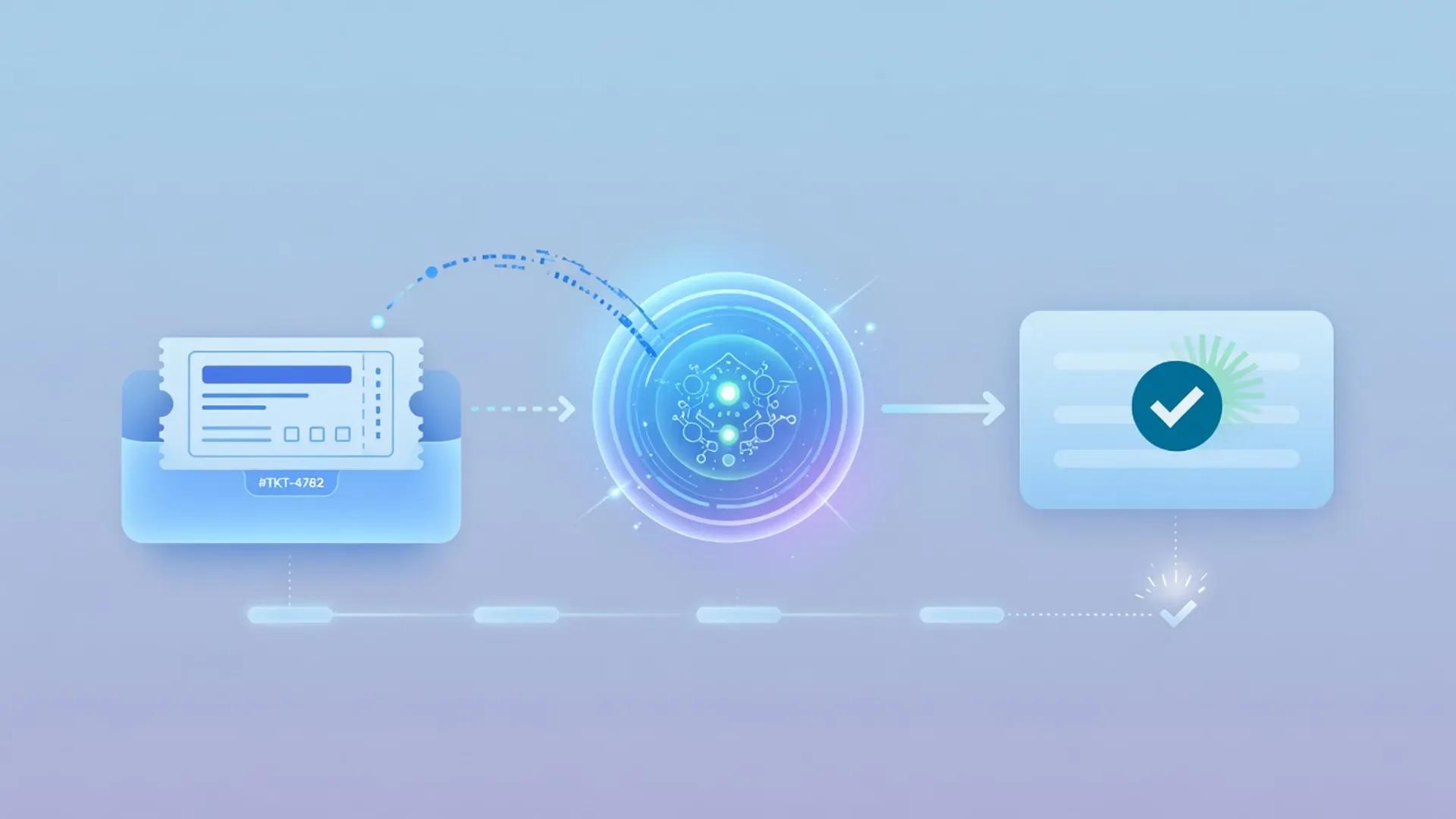
Customer Support AI Workflow
A practical, policy-first customer support AI workflow for triaging tickets, drafting replies, grounding agents in your knowledge base, and closing the loop with CRM context and automation, while keeping humans responsible for high-risk resolutions.
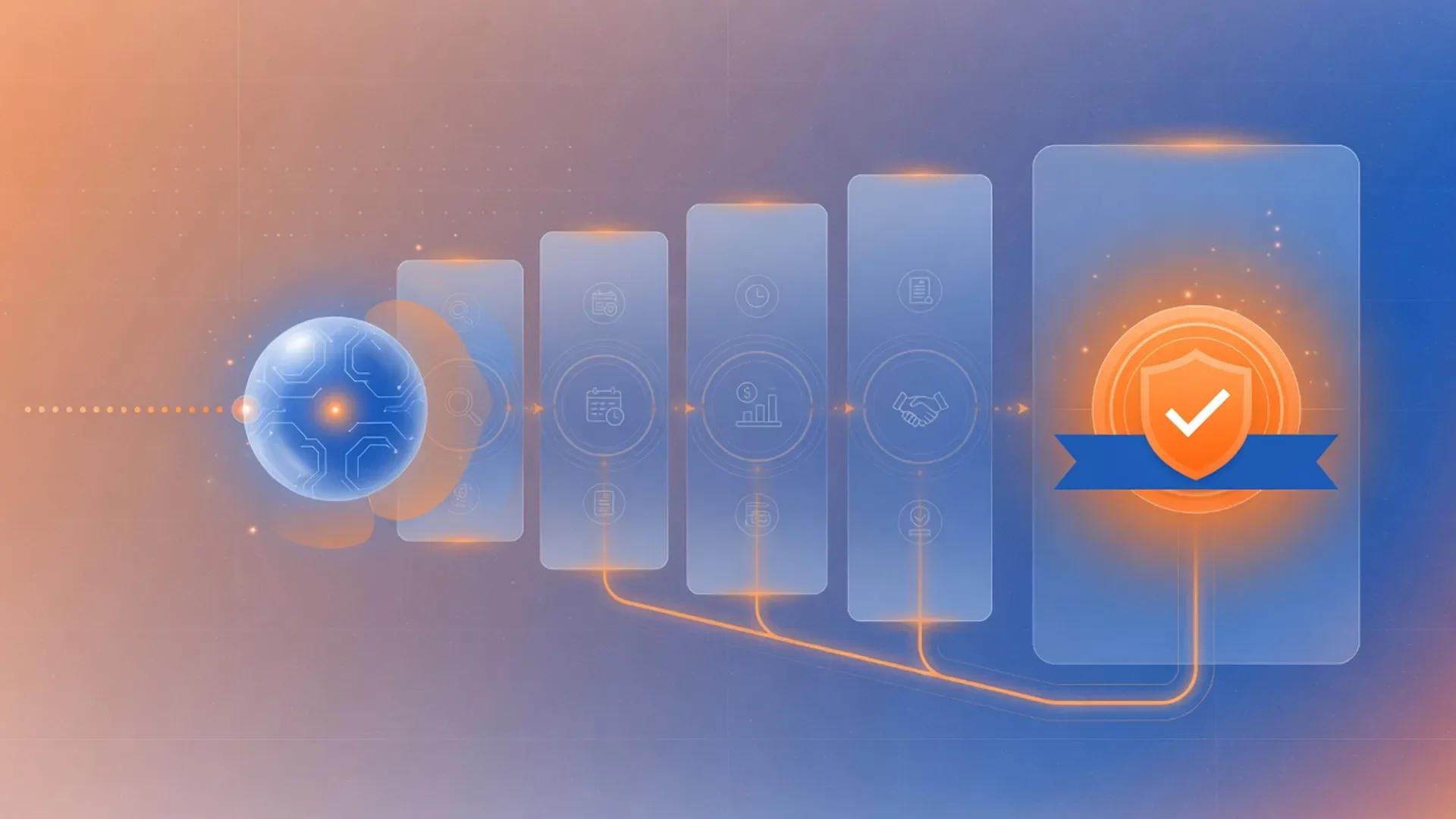
Sales Pipeline AI Workflow
A practical multi-step workflow for researching accounts, drafting outreach, managing CRM hygiene, and advancing deals with AI—while keeping humans responsible for relationship truth and commitments.
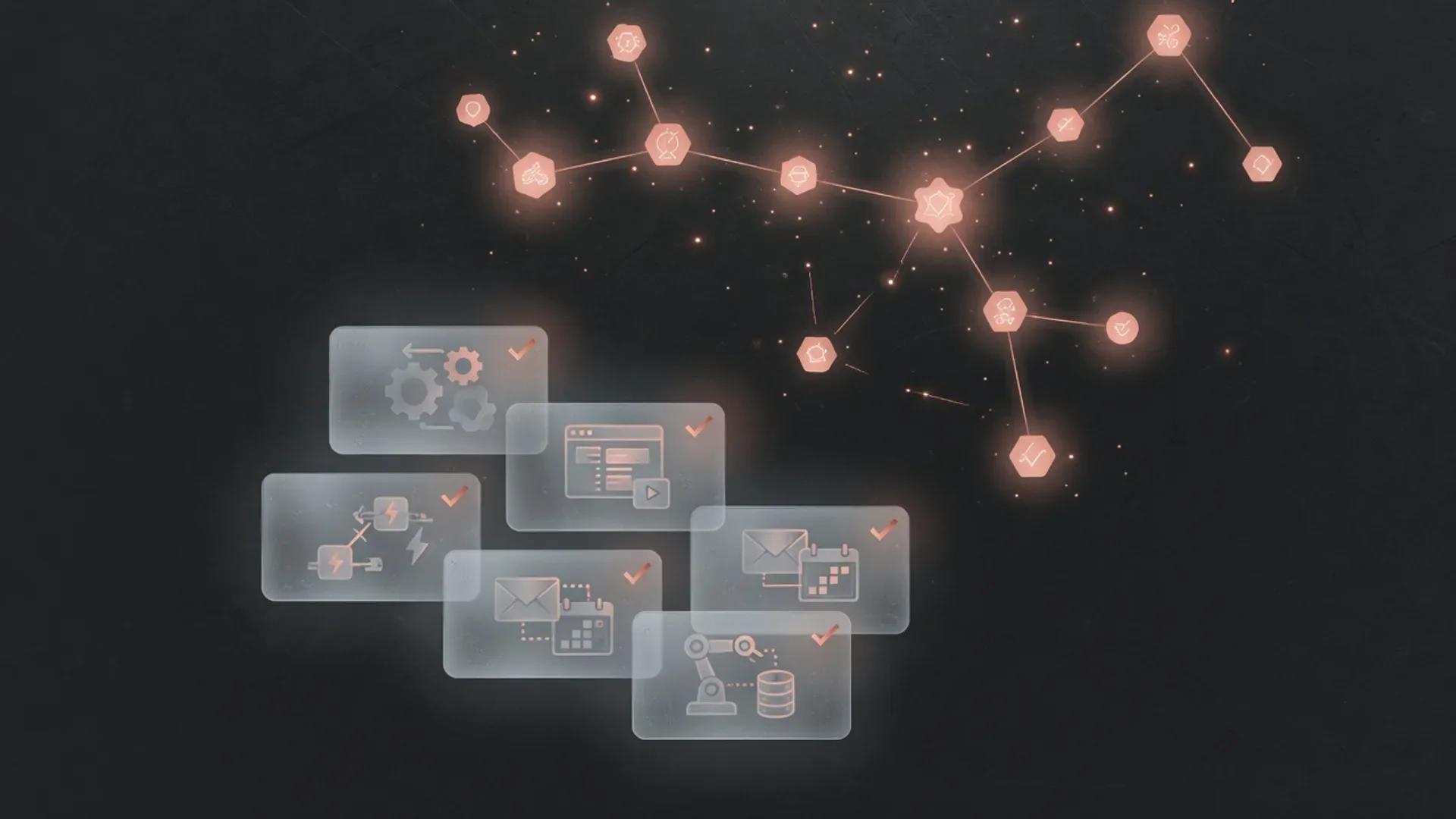
Best AI Automation Tools
A 2026 shortlist of AI automation and ops tools—Zapier, Make, n8n, HubSpot AI, Salesforce Einstein, and Notion AI—selected for moving work between systems, reducing copy-paste, and embedding assistance where operations already happen. Picked for practical fit, not paid placement, with no invented efficiency scores.

Best AI Customer Support Tools
An editorially curated, primary-source-verified shortlist of AI tools for customer support teams—dedicated customer agents, AI inside mature helpdesks, CRM-native service AI, agent-assist copilots, and conversation intelligence from calls—selected for practical category coverage, not sponsorship or invented scores.

Best AI Tools for Sales Teams
An editorially curated shortlist of AI tools for B2B sales teams—CRM-native agents, general reasoning assistants, drafting copilots, and integration platforms—selected for practical pipeline fit, not paid placement or invented win-rate scores.
Catalog
Related products

HubSpot AI
Editorially ResearchedHubSpot's Breeze AI and Agent Hub bring context-aware generative and agentic AI into the CRM, sales, marketing, and service hubs where your customer data a…
Stands out · AI assistance and autonomous agents embedded across the HubSpot customer platform, with credit-based pricing that only bills when the agent actually delivers work.
Related
Compare this product
Next step
Explore Salesforce Einstein
Visit the official site, or browse the full catalog for similar tools.